
MDR1 Breed Prevalence: Which Dogs Carry the Mutation?
One of the first questions I hear from new clients is some version of "My dog is a [breed], do I need to worry about MDR1?" The answer depends entirely on the breed, the population studied, and increasingly on whether the dog has any herding breed ancestry at all. After sixteen years of working with MDR1 testing data, I can tell you that the mutation's reach is wider than most people assume and the variation between breeds is more dramatic than any simple list conveys.
What follows is the most comprehensive breed-by-breed prevalence breakdown I can compile from published research, laboratory databases, and my own clinical experience. I will be blunt about the numbers, honest about where data is limited, and clear about what the prevalence rates actually mean for individual dog owners.
Understanding Prevalence Numbers
Before we look at specific breeds, you need to understand what prevalence numbers represent and what they do not. When I say that approximately 70% of Collies carry at least one copy of the MDR1 mutation, I mean that in a randomly sampled population of Collies, roughly seven out of ten will test as either N/M (carrier) or M/M (affected). The remaining three out of ten will be N/N (clear).
These numbers come from large-scale testing databases, primarily from Washington State University's Veterinary Clinical Pharmacology Laboratory and commercial testing companies like Embark, Wisdom Panel, and Orivet. Sample sizes vary enormously between breeds, which affects how confident we can be in the numbers. For Collies and Australian Shepherds, we have tens of thousands of test results. For some rarer breeds, we may have only a few hundred.
Prevalence vs. Individual Risk
A prevalence rate tells you the probability that a randomly selected dog from a breed carries the mutation. It does NOT tell you whether your specific dog has it. The only way to know your dog's individual status is to test. A Collie from a line that has been tested and bred clear for three generations may be N/N despite the breed's high overall prevalence.
High Prevalence Breeds (Over 25%)
These breeds have mutation frequencies high enough that testing is not optional. It is mandatory for responsible ownership. If you own any of these breeds and have not tested, stop reading and order a test today.
Collie (Rough and Smooth) — 65-75% Affected or Carrier
The Collie is ground zero for MDR1. The mutation was first identified in this breed by Dr. Katrina Mealey's team at Washington State University in 2001, and Collies remain the most heavily affected breed in the world. Approximately 35-40% of Collies are homozygous affected (M/M), meaning they produce no functional P-glycoprotein whatsoever. Another 30-35% are carriers (N/M). Only about 25-30% are genetically clear.
These numbers have been remarkably consistent across different populations — American Collies, British Collies, Australian Collies, and European Collies all show similar frequencies, suggesting the mutation predates the breed's geographic diversification. The founding population that established the modern Collie breed carried the mutation at high frequency, and it has been maintained through the breed's relatively closed gene pool ever since.
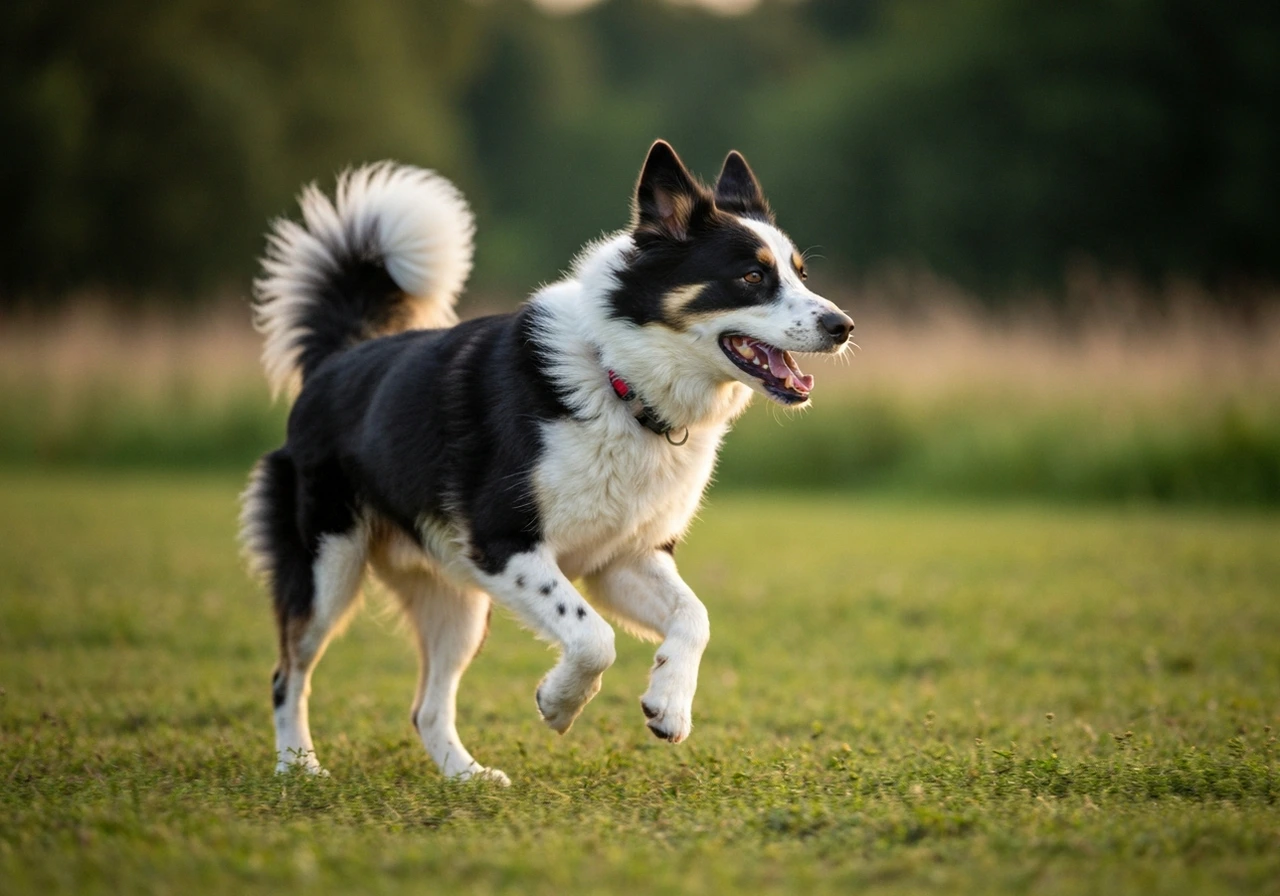
Australian Shepherd — 45-50% Affected or Carrier
Australian Shepherds are the second most affected breed, with mutation frequencies that surprise many owners. Approximately 15-20% are M/M and 25-30% are N/M. The high prevalence reflects shared ancestry with the Collie; despite the name, Australian Shepherds have significant historical crossbreeding with Collie-type dogs.
The Miniature American Shepherd, which was developed from small Australian Shepherds, carries a similar prevalence. Do not assume that size variants have different mutation frequencies. They share the same gene pool origins.
Shetland Sheepdog — 30-35% Affected or Carrier
Shelties often catch owners off guard because people associate MDR1 primarily with Collies and Aussies. But roughly 10-12% of Shetland Sheepdogs are M/M, and another 20% are carriers. The Sheltie's Collie ancestry explains the prevalence, though it is somewhat lower than full-size Collies, suggesting that other breeds in the Sheltie's foundation contributed diluting N/N genetics.
Longhaired Whippet — 40-65% Affected or Carrier
This is the breed that confuses everyone because Whippets are sighthounds, not herding dogs. The Longhaired Whippet carries MDR1 at surprisingly high frequencies, almost certainly due to undocumented Collie or Sheltie crosses in the breed's development. Standard smooth-coated Whippets show virtually zero MDR1 prevalence, making the Longhaired Whippet an excellent case study in how a single crossbreeding event can introduce a mutation into an otherwise unaffected breed.
Moderate Prevalence Breeds (5-25%)
These breeds carry the mutation at lower frequencies. Testing is still strongly recommended, especially before any procedure requiring sedation or for dogs that may need the medications on our drug avoidance list.
Old English Sheepdog — 5-10%
Old English Sheepdogs show lower MDR1 prevalence than many expect given their appearance and herding classification. Most affected individuals are carriers rather than homozygous M/M, which means clinical drug reactions are less commonly reported in this breed. However, carriers can still show increased sensitivity to some P-glycoprotein substrates at higher doses.
German Shepherd — 5-10%
The German Shepherd's MDR1 frequency is lower than the Collie group but high enough to warrant testing. What makes the German Shepherd situation distinctive is the breed's popularity. With hundreds of thousands of German Shepherds worldwide, even a 5-10% prevalence rate translates to a massive absolute number of affected and carrier dogs. In clinical practice, I see more German Shepherd MDR1 questions than any breed except Collies and Aussies simply because there are so many of them.
McNab — 15-20%
The McNab, a working ranch dog from Northern California, shows moderate MDR1 prevalence consistent with its herding breed heritage. Testing data for McNabs is more limited than for AKC-recognized breeds, but the available studies consistently show rates in the 15-20% range.
English Shepherd — 10-15%
Another working herding breed with moderate prevalence. English Shepherds are less commonly tested than Australian Shepherds or Collies, but the data we have suggests regular MDR1 occurrence consistent with shared ancestral genetics among British herding breeds.
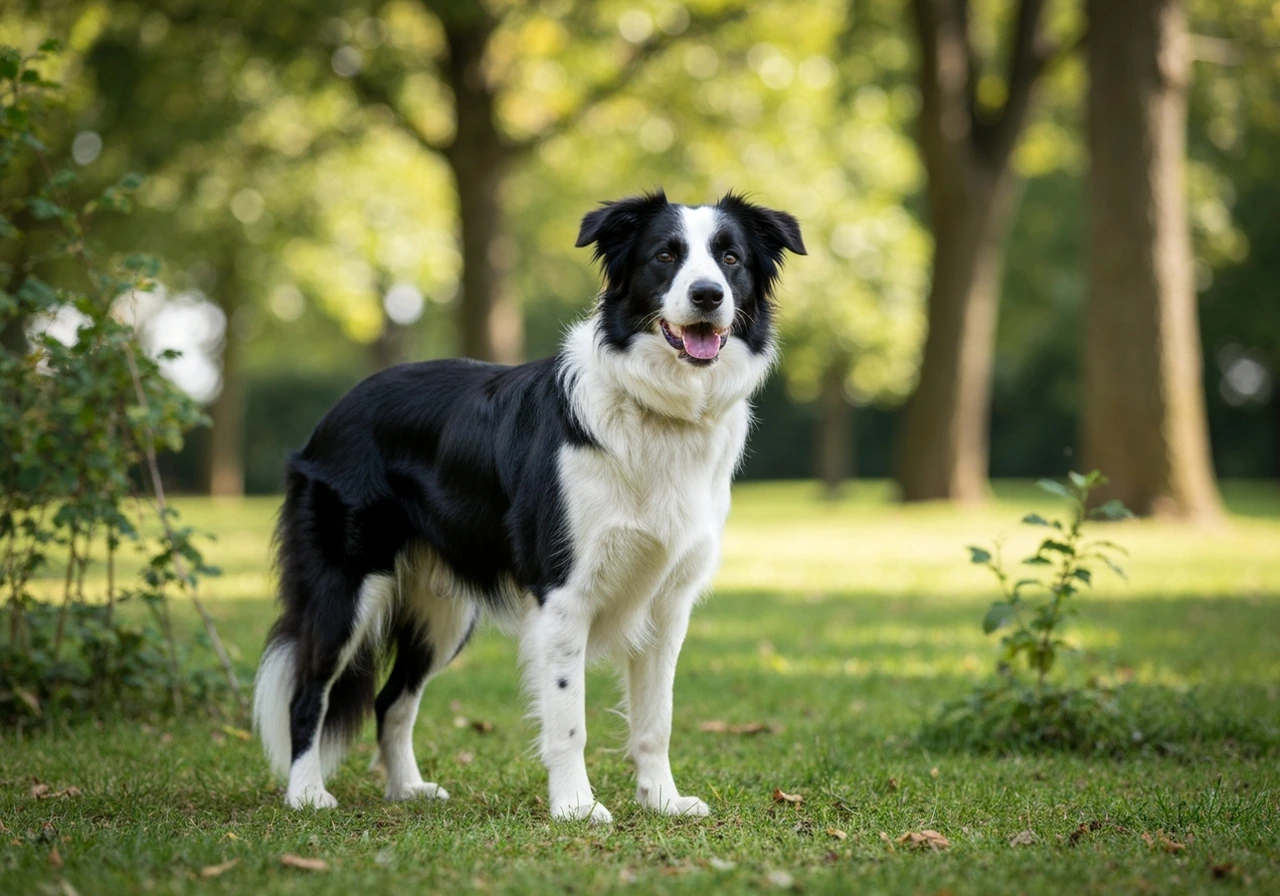
Border Collie — 1-5%
This one surprises people in both directions. Some expect Border Collies to have high MDR1 prevalence because they are herding dogs. Others assume they are completely clear. The truth is that Border Collies carry MDR1 at low but non-zero rates. Approximately 1-2% are carriers, with homozygous affected individuals being very rare. The Border Collie's distinct genetic lineage from Collie-type dogs explains the lower prevalence.
Low Prevalence Does Not Mean No Risk
A 2% carrier rate in Border Collies still means thousands of affected dogs worldwide given the breed's popularity. If your Border Collie has not been tested, you are making an assumption. Test, do not guess.
Low Prevalence Breeds (Under 5%)
Several breeds show sporadic MDR1 occurrences at frequencies below 5%. For these breeds, testing is advisable but the individual probability of finding an affected dog is lower.
Breeds with Documented Cases
- Australian Cattle Dog: Very rare, under 1%. A few documented cases likely trace to Australian Shepherd crossbreeding.
- Mixed breed herding dogs: Variable, depending on ancestry. Any dog with herding breed heritage should be tested.
- Silken Windhound: Some documented cases, likely from shared ancestry with the Longhaired Whippet.
- White Swiss Shepherd: Low prevalence, similar to German Shepherd rates, consistent with shared breed origins.
The Mixed Breed Question
Mixed breed dogs are NOT automatically safe from MDR1. This is a misconception I encounter constantly, and it can be lethal. If your mixed breed has any herding breed ancestry — and with the popularity of Australian Shepherds and Border Collies in "designer" crosses, this is increasingly common — it may carry one or two copies of the mutation.
The rise of "Aussiedoodle," "Borderdoodle," and "Shollies" (Collie-Shepherd crosses) means that MDR1 is now present in dogs that do not look like herding breeds at all. A curly-coated Aussiedoodle with no visible herding breed characteristics can absolutely be M/M for MDR1.
DNA testing companies like Embark and Wisdom Panel include MDR1 screening in their standard breed identification panels. If you have tested your mixed breed's ancestry and found any herding breed contribution above about 12.5% (one great-grandparent), request specific MDR1 testing. For guidance on testing options and costs, review our comprehensive testing guide.
Geographic Variation
MDR1 prevalence can vary between populations of the same breed in different countries. This variation reflects founder effects — if the dogs imported to establish a breed population in a new country happened to carry the mutation at different rates than the global average, that population will maintain different frequencies.
For example, Australian Shepherd populations in some European countries show slightly different MDR1 rates than American populations, reflecting which individual dogs were imported as foundation stock. Japanese Collie populations have been reported to show somewhat lower prevalence than American or British Collies, possibly due to selective importation of tested dogs.
This means that breed-level prevalence averages are useful guidelines but should not replace individual testing. Your specific dog's risk depends on its actual genetics, not population statistics.
Why Prevalence Has Not Decreased Faster
With testing available since 2004 and widespread since around 2010, you might expect MDR1 prevalence to have dropped dramatically. It has not, and the reasons are instructive.
First, in breeds where 70% of the population carries the mutation, aggressive selection against carriers would devastate genetic diversity. Responsible breeders understand that eliminating carriers means eliminating the majority of the breeding population, which introduces far worse genetic problems through inbreeding depression. The correct approach, as discussed in our breeding decisions guide, is gradual frequency reduction through smart pairings, not wholesale elimination of carrier dogs.
Second, not all breeders test. Despite two decades of available testing, some breeders in affected breeds still do not screen for MDR1. Casual breeders, accidental litters, and puppy mills contribute untested dogs to the population, maintaining mutation frequency.
Breed frequency should drive how urgently you act. Collies, Australian Shepherds, Shetland Sheepdogs, and other herding lines carry the MDR1 mutation at rates high enough that testing is a first-week priority, not a someday task. Breeds with low carrier rates can wait, but waiting has no upside. A cheek swab or blood sample can be collected once the puppy is weaned and identified, and results are valid for life, so there is no reason to delay past the first veterinary visit. For a practical walkthrough of when to test a puppy, including sample timing and how to read the genotype report, that guide covers the decision point by point.
Third, the MDR1 mutation itself carries no fitness disadvantage in the absence of P-glycoprotein substrate drugs. In a natural environment without modern pharmaceuticals, M/M dogs are as healthy and reproductively successful as N/N dogs. There is no natural selection pressure against the mutation, so without human-directed testing and breeding management, the frequency remains stable.
Emerging Research on Breed-Specific P-glycoprotein Expression
Recent research has revealed that even among N/N dogs, P-glycoprotein expression levels can vary between breeds. Some breeds appear to have naturally lower P-glycoprotein activity than others, even without carrying the MDR1 deletion. This finding, still preliminary, suggests that drug sensitivity in dogs may be more nuanced than a simple mutation-present-or-absent model.
Several research groups are investigating whether breed-specific differences in ABCB1 gene regulation — not the deletion itself but how actively the gene is expressed — contribute to observed variations in drug metabolism. If confirmed, this could lead to breed-specific dosing guidelines that account for both MDR1 genotype and baseline P-glycoprotein expression levels. For an in-depth look at how researchers are exploring solutions at the genetic level, our gene therapy research overview covers the latest approaches.
Understanding MDR1 prevalence across breeds also matters for the broader picture of herding breed drug sensitivity. If you want to explore how the mutation interacts with specific drug reactions in clinical settings, the case studies compiled at Ivermectin Sensitivity provide real-world examples of how breed prevalence translates to clinical outcomes.
What This Means for You
If your dog belongs to any breed listed above, or has any herding breed ancestry, testing is not optional. It is a basic responsibility of ownership. The test is inexpensive, noninvasive, and provides information that could save your dog's life during a routine veterinary visit.
Do not rely on prevalence statistics to decide whether your individual dog needs testing. A breed with 5% prevalence still means one in twenty dogs carries the mutation. Would you accept a one-in-twenty chance that your dog could have a fatal reaction to a common medication without checking first?
Test your dog. Know the number. Share it with your veterinarian. That simple act remains the single most effective thing any owner can do to protect a herding breed dog from preventable drug toxicity.
Frequently Asked Questions About MDR1 Breed Prevalence
Are all herding breeds at risk for MDR1?
No. Despite the common assumption, prevalence varies dramatically across herding breeds. Collies and Australian Shepherds sit at the top of the risk pyramid, while Border Collies show only 1-5% carrier rates and several Belgian shepherd varieties show virtually none. Herding breed ancestry raises suspicion, not certainty, which is why individual testing remains the only reliable answer for any dog with potential exposure.
Can a mixed breed without obvious herding traits still carry MDR1?
Yes, and this is increasingly common. Doodle crosses involving Australian Shepherds, Collies, or Shelties can carry the mutation despite curly coats and non-traditional appearances. Even one herding ancestor at the great-grandparent level (about 12.5% ancestry) is enough to pass MDR1 forward. If a DNA panel shows any herding contribution, request a specific MDR1 test rather than relying on visual breed cues.
Why do prevalence numbers differ between testing laboratories?
Each laboratory reports rates based on the dogs that voluntarily submit samples, and that population is not random. Owners who test tend to be more engaged breeders, which can skew rates downward in popular show lines. Sample sizes also differ widely. Numbers from Washington State University and Embark are the most statistically robust because they pool tens of thousands of results across decades.
Has MDR1 prevalence dropped since testing became widely available?
Marginally, but less than expected. In high-prevalence breeds, aggressively removing carriers would collapse genetic diversity, so responsible breeders pair carriers with clear dogs rather than eliminating them. Many casual breeders never test at all. Without selection pressure from the mutation itself, frequencies stay nearly stable across generations, which is why breed-level rates from 2010 and 2025 look remarkably similar.